
This YouTuber and his wife have stressed me out. But I have a lot of thoughts regarding their situation that I need to just put on this page so they don’t keep spinning around in my head.
I stand for women having full control of the choices in regard to their bodies. And I stand for women having adequate reproductive healthcare in all situations.
I’m also a disabled woman who was born that way. And I’m a special education teacher. And one day, I hope to be a mom.
In case you’re reading this and are confused, a well-known, well-off YouTuber and his wife were trying for a baby, got pregnant and were excited to have this baby. That is, until they went in for genetic testing, and discovered that their baby would be born with Down Syndrome. They terminated the pregnancy.
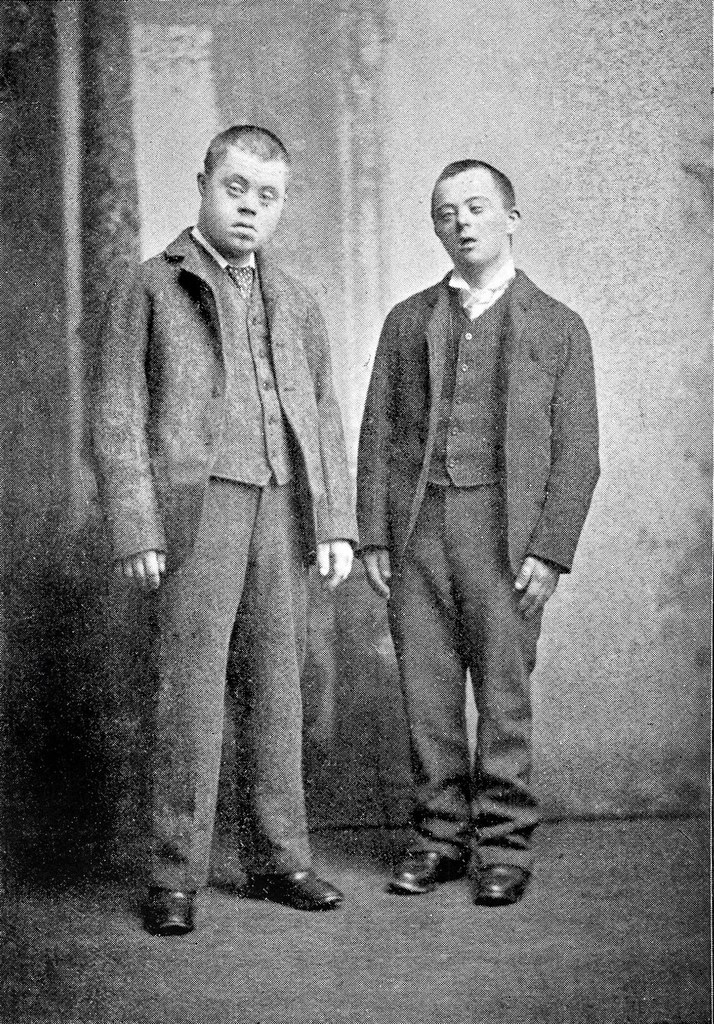
Down Syndrome is the name given to Trisomy 21. It’s a genetic mutation which is known for the learning challenges associated with it, caused by intellectual impairment. It also causes shorter stature and health concerns in the body.
But man, are the kids born with it, bold, sassy, funny, mischievous, and playful. And as more research is done and the world is made more equitable for disabled people as a whole, they are more and more autonomous, fulfilled, healthy, and joyous. And so it’s heartbreaking to see that they went ahead and terminated a pregnancy they previously desired over an unexpected diagnosis. And for what? I would understand if they made that choice because they didn’t want to welcome a human into the world with that diagnosis in less than desirable circumstances they were a well-off couple who was already established and. I assume, still in love. They were a couple who initially desired this pregnancy.
And I would understand if the mother or baby was in bad health, necessitating the termination of the pregnancy.Down syndrome is compatible with life. I mean that in more ways than one. Adults with Down syndrome can and do live fulfilling and autonomous lives. Surprise, surprise. Adults with Down syndrome all have different personalities, strengths, and weaknesses, and dreams. Just like adults without Down syndrome. They receive education and job training. They hold down jobs meaningful to them and make contributions to their communities. They can live on their own, with family, or with roommates. Some choose to cultivate romantic relationships. Some become parents. These are all things that so-called normal people also do.
Do they suffer? I’m sure. I’m personally limited to only seeing children with intellectual disabilities suffer. Specifically, when I ask them to complete math problems or generalize new learning strategies.
I’m sure they have all kinds of struggles. As do the adults.
I can attest to having unpleasant moments thanks to my own disabilities. I would not, however, attest to having a horrible or painful life because of them.
We live in a different world now. A Down syndrome diagnosis doesn’t mean what it used to mean.
I’ve seen so many takes recently on the internet since their announcement. I don’t know if I can unpack them all here.
One social media user stated that this is not the economy to raise a disabled child in. Well, from my understanding, this couple in question has a net worth of over a million dollars. In any case, if you’re trying to get pregnant, which they were, that means you can afford a child. I would hope, anyway. And I hear people now. But, what about the medical costs associated with having a baby with a disability? Well, if you don’t have the money to take care of the needs for a baby with Down syndrome, than you probably also don’t have the financial means to take care of a “healthy” baby who, during or post-birth, develops a complication, infection, cancer, injury, developmental delays or mental illness. So then don’t have a baby at all. You don’t have your money up yet. Nor the resources available to you that would help the low-income parents of disabled children. Nor the crowdfunding resources people use. Nor the creativity or problem-solving skills required. And also, this implies that the world was made for disabled people. It was not. And so therefore, there will never be a general economy to raise a disabled child in.
Oh, Down syndrome comes with health issues, obstacles, and suffering. Yes, and? Life, which is what children and adults with Down syndrome or other disabilities are full of, is constant obstacles, innate suffering, moments of joy, and the occasional health issue. Don’t have a baby at all, then, if that’s hard to accept. Any child you bring into the world is going to suffer/feel some type of pain, get injured/get sick sometimes. Life can be painful but also beautiful for everyone.
You might have a kid with a diagnosis you didn’t expect or want. They may go through bad things in school or, when they get older, at their jobs. But that’s also true for the poor, for LGBTQ folks, Black people, Latinos, Asians…etc. What are you, or I, going to do as people who want kids one day? Keep aborting any and all of them?
A final thought before I wrap this post up. Supposedly, the YouTuber in question responded to some comments by saying he’s glad his parents didn’t abort him “but he’s normal.” Um? Screw you. Shut up. I will not be elaborating any further. Thank you for reading, if you managed to get this far.
 From Cami